
When we started Luna Makes Shop, we were a two-person team running everything from a clunky Google Sheet. Orders, customer emails, template links, to-do lists—all in separate tabs, all a mess. We spent more time updating rows than actually making templates. Something had to change.
The breaking point came when a customer emailed asking for a template link we’d already sent three times. We couldn’t find it in the spreadsheet because we’d forgotten to log it. That’s when we realized: spreadsheets are for data, not for running a business. They have no structure, no context, and no way to see the big picture.
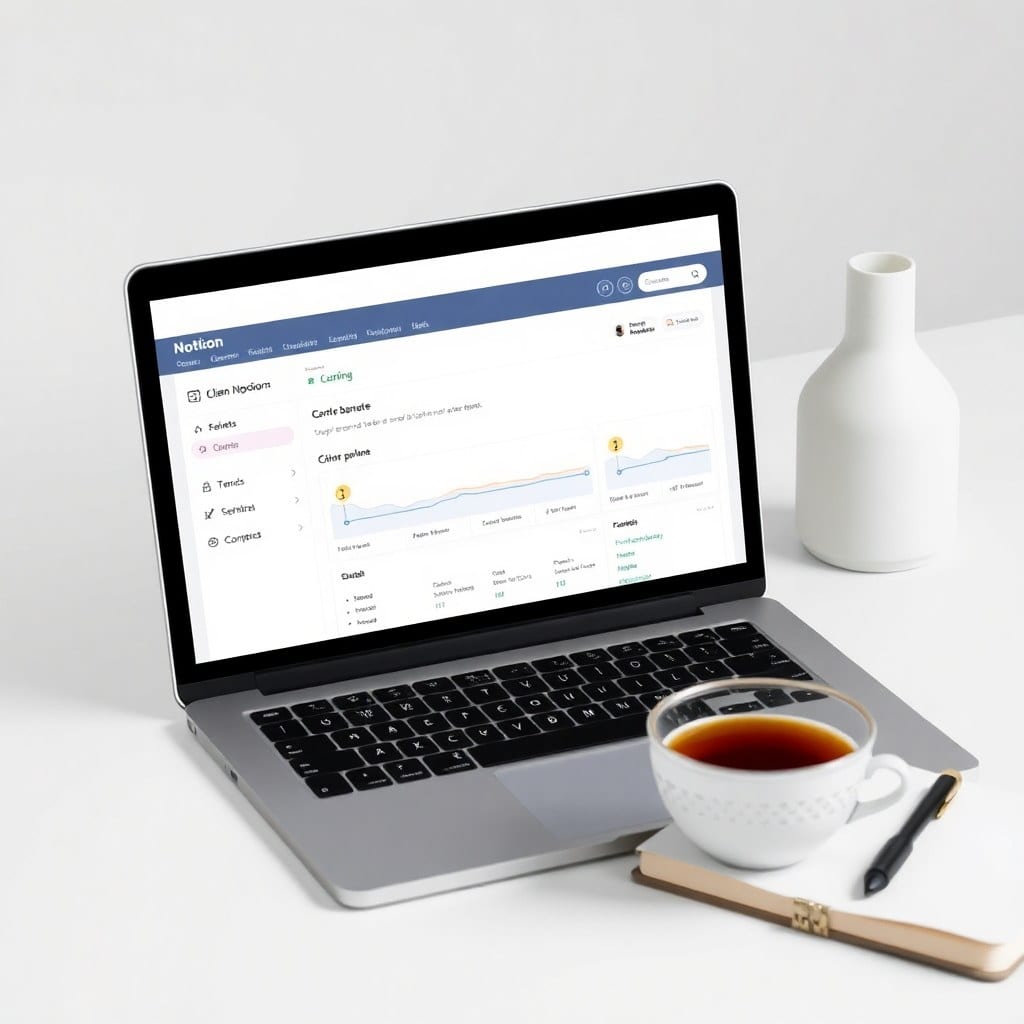
We’d been using Notion for our personal planning, so we knew it could handle more. But could it replace our trusty spreadsheet? We started by moving our order tracking into a Notion database. Within a week, we had a dashboard that showed every order, its status, and the customer’s details—all in one place. No more tab-switching. No more missed links.
The shift wasn’t just about organization. It was about visibility. In the spreadsheet, everything was hidden behind tabs. In Notion, we could see the entire pipeline at a glance: how many orders we’d fulfilled this week, which templates were selling best, and who still needed a follow-up. That visibility let us plan our content and product launches with confidence.
We also created linked databases for customer emails, so we could see the history of every interaction without digging through an inbox. That solved the ‘lost link’ problem instantly. Now, when a customer writes in, we open their page, see the template they bought, and send the link again—no scrambling.
Another unexpected win was the ability to use relational properties. In the spreadsheet, if a customer bought two templates, we had to duplicate the row or add columns. In Notion, we just added another order to their record. It sounds small, but it saved us hours and eliminated duplication errors.
We still use spreadsheets for financials—there’s something about a formula that just works. But for the day-to-day running of a creative shop, Notion has been a game-changer. It’s flexible enough to adapt as we grow, and it’s beautiful enough that we actually enjoy looking at it.
If you’re running a small digital business, I highly recommend moving your operations to Notion. Start with one database, like orders or clients, and build from there. You’ll wonder why you waited. And if you want a head start, check out our Operations Hub template—it’s exactly what we use, and it includes all the databases we wished we’d had on day one.